Pickleball continues to grow at an incredible pace, with new players joining the sport every year. As participation expands across recreational leagues, competitive tournaments, and professional circuits, maintaining clear and consistent rules becomes increasingly important.
The 2026 USA Pickleball rulebook introduces several updates designed to improve gameplay fairness, clarify scoring procedures, and standardize certain aspects of the sport. While many of the rules remain familiar, a few adjustments may affect how players approach serving, rallies, and match strategy.
Understanding these updates is essential for anyone who wants to stay competitive and compliant with official standards. Whether you play casually at a local park or participate in organized tournaments, knowing the latest rules ensures that games remain fair, enjoyable, and consistent across courts everywhere.
Players who are completely new to the sport may also find it helpful to review what to expect in their first pickleball game before stepping onto the court.
What Is the USA Pickleball Rulebook?
The USA Pickleball rulebook serves as the official guide for how the sport is played. It defines the rules governing gameplay, scoring systems, court dimensions, serving techniques, and equipment standards.
Each year, USA Pickleball reviews feedback from players, referees, and tournament officials. If certain situations cause confusion or inconsistencies in matches, updates may be introduced to clarify procedures and maintain competitive balance.
Because pickleball is evolving rapidly, rule adjustments help ensure that both recreational and competitive play remain aligned with the sport’s long-term development.
What Changed in the 2026 USA Pickleball Rulebook?
Several updates appear in the 2026 USA Pickleball rulebook, with most changes focusing on clarity rather than dramatic gameplay shifts. These updates typically fall into three categories:
- clarifications to serving rules
- scoring and rally procedure explanations
- equipment and gameplay standardization
Rather than fundamentally changing how pickleball is played, these updates refine existing rules so that referees, players, and tournament directors can apply them more consistently.
For players, the key takeaway is that understanding the intent behind these updates helps avoid confusion during competitive matches.
New Pickleball Serve Rules in 2026
Serving has always been one of the most strictly regulated parts of pickleball. The new pickleball serve rules continue emphasizing consistency and fairness.
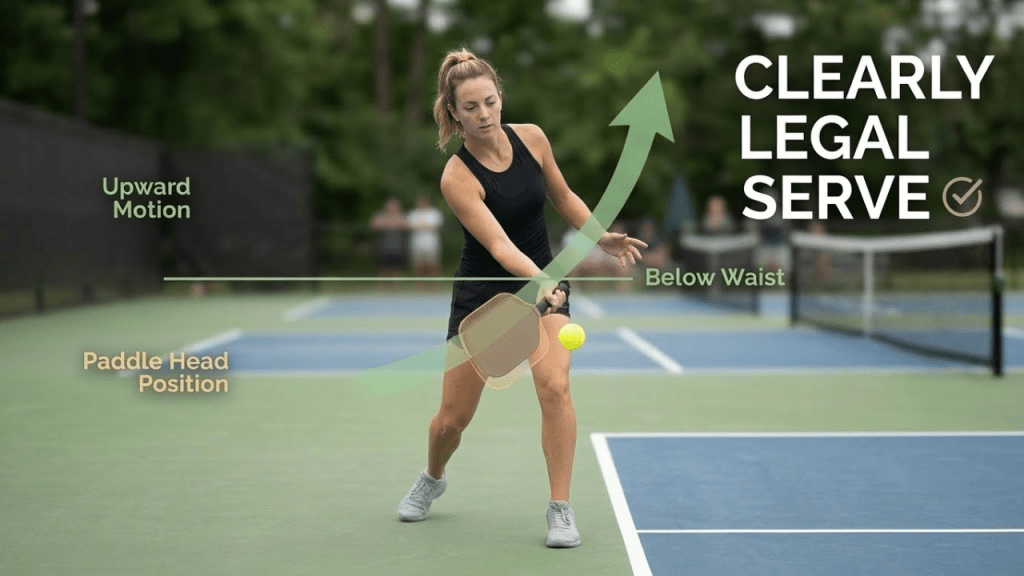
A legal serve must follow several requirements:
- The paddle must contact the ball below the server’s waist.
- The serve must be made with an upward motion.
- At least one foot must remain behind the baseline during contact.
- The ball must travel diagonally into the opponent’s service court.
While these fundamentals remain unchanged, the rulebook clarifies several situations related to serve legality and player positioning, ensuring that referees can enforce the rules consistently during tournaments.
Serving remains one of the most strategic elements of the game because it determines how the rally begins and how teams establish early positioning.
Proper stance, balance, and movement behind the baseline also play a key role in executing a consistent serve and preparing for the next shot.
Players who want to improve their movement and positioning can explore our guide to pickleball footwork fundamentals, which explains how efficient footwork supports better serves, quicker reactions, and stronger court control.
Understanding the USA Pickleball Rally Scoring System
One of the most common areas of confusion among players involves the USA Pickleball rally scoring system.
Traditionally, pickleball used a side-out scoring system where only the serving team could score points. However, rally scoring formats are sometimes used in certain leagues or experimental formats.
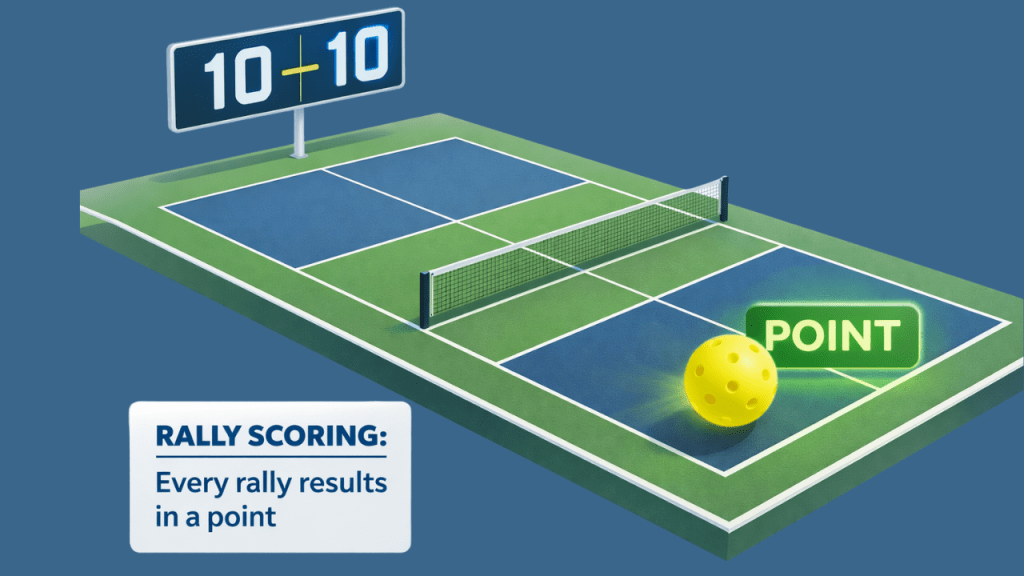
In rally scoring:
- A point is awarded after every rally.
- Either team can score regardless of who served.
- The rally ends when a fault occurs.
This format can speed up matches and simplify scoring for spectators and new players. However, most official tournaments still follow traditional scoring formats unless otherwise specified.
If you are new to the sport and want to understand the fundamentals of serving, scoring, and court rules, our pickleball rules for beginners guide explains the basic gameplay structure in a clear and simple way.
When Does a Rally End in Pickleball?
A rally in pickleball ends when one team commits a fault. Common faults include:
- hitting the ball out of bounds
- failing to clear the net
- violating the non-volley zone rule
- allowing the ball to bounce twice before returning it
Understanding when a rally ends in pickleball is crucial for maintaining proper scoring and avoiding disputes during competitive play.
These situations are clearly outlined in the rulebook so that players and referees can quickly determine which team earns the next serve or point.
Players who want a clearer understanding of how points are awarded during rallies can also review our guide to the pickleball scoring system, which explains how rallies, faults, and point tracking work during matches
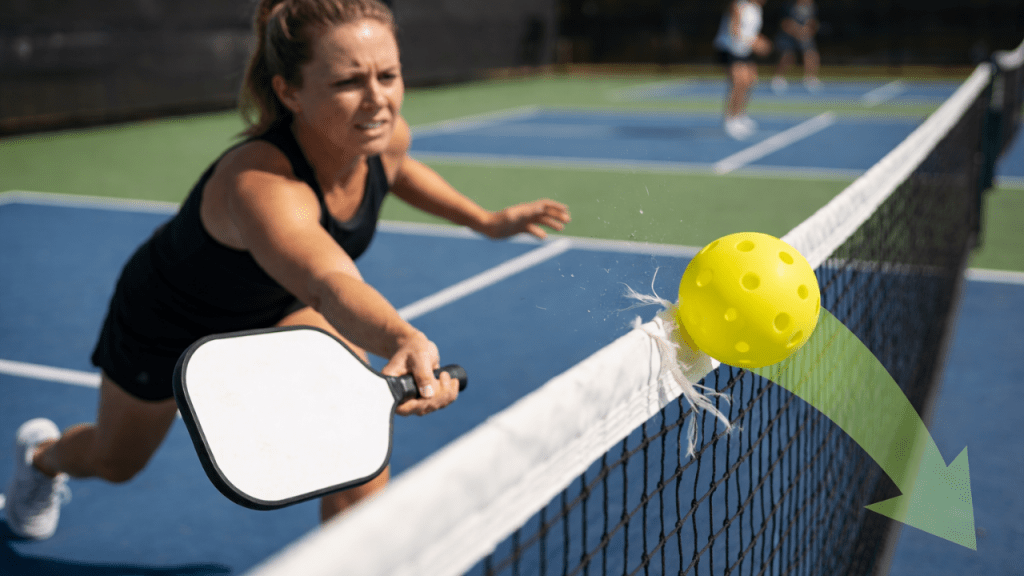
How the 2026 Pickleball Rule Changes Affect Gameplay
Although the 2026 pickleball rule changes may appear subtle, they still influence how players approach strategy.
Clarified serving procedures help ensure fairness, particularly in competitive matches where illegal serves can lead to disputes.
Better explanations of rally situations also make it easier for new players to learn the game quickly.
For experienced players, rule updates mainly reinforce the importance of fundamentals such as:
- proper serve mechanics
- accurate shot placement
- kitchen line awareness
- controlled rallies
The overall goal of these updates is to keep gameplay consistent as the sport continues to grow.
Why USA Pickleball Updates the Official Rules
Rule updates are a normal part of any sport’s evolution. For example, several clarifications introduced in recent seasons built upon adjustments explained in our guide to USA Pickleball 2025 rule changes, showing how the sport continues refining its official rules.
As pickleball expands into new regions and levels of competition, the governing body must adapt to emerging gameplay patterns.
Updating the rulebook helps accomplish several goals:
- maintain fairness across tournaments
- reduce confusion during officiated matches
- ensure consistent equipment standards
- support the long-term growth of the sport
Because pickleball is evolving quickly, clear rules are essential for maintaining the integrity of both recreational and professional play.
Equipment Standards and the Future of Pickleball
As gameplay evolves, equipment quality has also become increasingly important. The rulebook establishes standards for paddles, balls, and court specifications to ensure that equipment performs consistently during competition.
Reliable equipment helps maintain fair gameplay and predictable ball behavior, especially during fast rallies and competitive matches.
Across the industry, manufacturers are exploring ways to improve durability, performance consistency, and responsible production practices. At Evolute Pickleball, we believe innovation in equipment like pickleballs and paddles should support both competitive performance and the long-term sustainability of the sport. As pickleball continues to grow, developing reliable gear while reducing environmental impact is becoming an important part of the game’s future.
What the 2026 USA Pickleball Rulebook Means for Players
The 2026 USA Pickleball rulebook continues the sport’s effort to refine and standardize gameplay as pickleball grows worldwide. While the updates mainly focus on clarifications rather than dramatic changes, they help ensure that matches remain fair, understandable, and consistent for players at every level.
For players, the most important takeaway is simple: staying informed about rule updates helps improve both performance and confidence on the court.
As pickleball continues expanding globally, clear rules and reliable equipment will play a major role in shaping the sport’s future.
Frequently Asked Questions (FAQs)
The 2026 USA Pickleball rulebook includes updates that clarify serving procedures, rally definitions, and gameplay situations to ensure consistent officiating across tournaments.
The fundamental mechanics of the serve remain the same, but the rulebook clarifies positioning and motion requirements to reduce confusion during matches.
Rally scoring awards a point after every rally, regardless of which team served. While it is sometimes used in leagues or experimental formats, traditional side-out scoring remains common in official play.
A rally ends when a fault occurs, such as hitting the ball out of bounds, failing to clear the net, or violating the non-volley zone rule.
The 2026 USA Pickleball rulebook introduces updates focused mainly on clarity and consistency in gameplay. Key areas include:
• clearer guidelines for legal serve mechanics
• improved explanations of rally and fault situations
• Better rule definitions to help referees enforce rules consistently
• Clarifications around player positioning and court violations
Most updates refine existing rules rather than dramatically changing how pickleball is played.
Rule updates mainly improve clarity and fairness rather than dramatically changing how the game is played. These updates help players:
• better understand serving and scoring rules
• avoid faults or rule violations during rallies
• follow consistent rules across tournaments and leagues
• adapt strategies based on clarified gameplay situations
Staying informed about rule updates helps players compete confidently and avoid disputes durin
Players can access the official rulebook through USA Pickleball’s official website, where the latest version is published each year. The rulebook includes:
• complete gameplay regulations
• court and equipment standards
• official serving and scoring rules
• explanations used by tournament referees
Reviewing the official rulebook helps players stay updated with the latest changes in the sport.