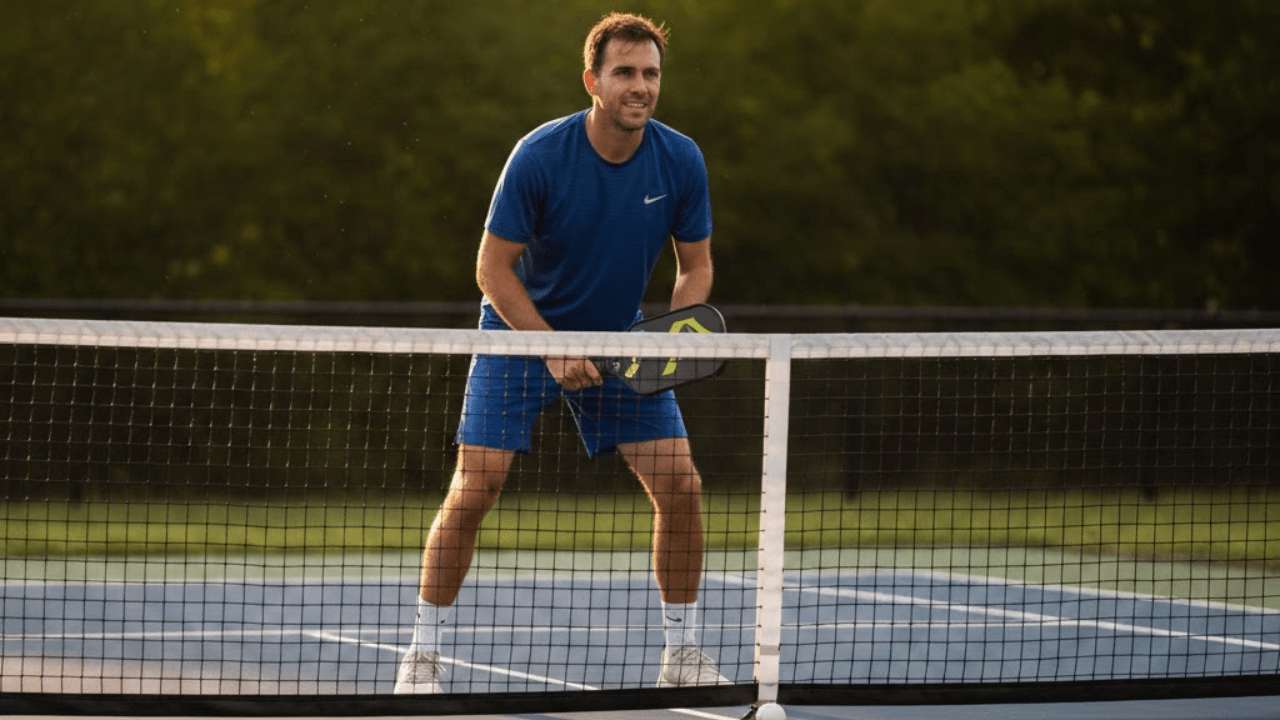
Winning more points in pickleball is not about swinging harder. It is about making smarter decisions.
At Evolute Pickleball, we believe performance and responsibility can go hand in hand. Whether you’re playing competitively or recreationally, understanding which pickleball shots consistently win points can elevate your game while you enjoy high-quality, eco-friendly equipment designed for long-term performance.
What Shots Win the Most Points in Pickleball?
If you want to know how to win more pickleball points, the answer is not hitting harder. It is choosing the right shots at the right time.
Match data from professional and high-level recreational play consistently shows that high percentage pickleball shots win more points than risky power plays. Players who control the rally, apply pressure strategically, and force errors tend to outperform aggressive but inconsistent hitters.
Below are the five pickleball shots that statistically lead to the most points won.
1. The Third Shot Drop
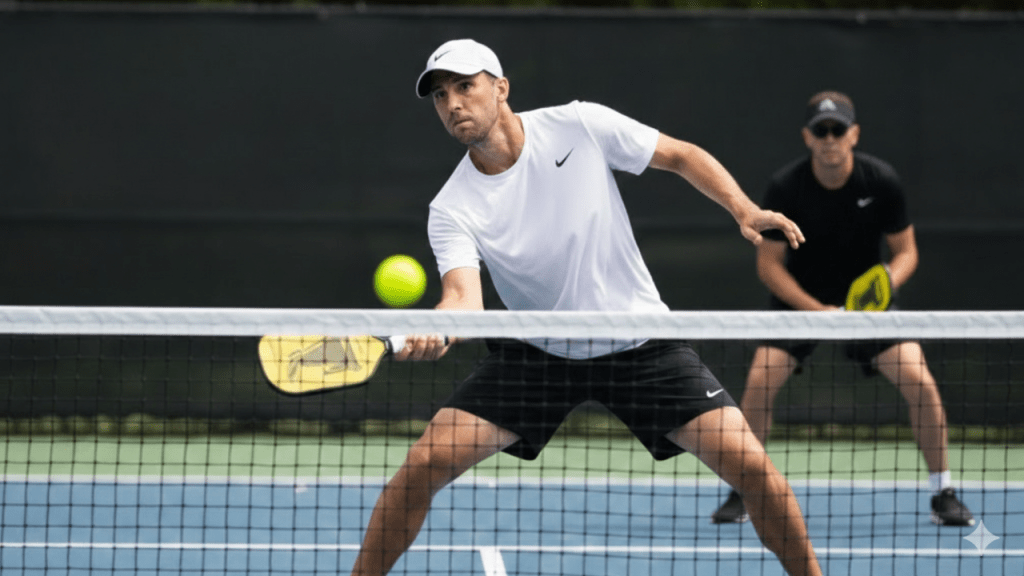
The third shot drop remains one of the most effective pickleball shots in competitive play.
Why it wins points:
- Neutralizes the serving team’s disadvantage
- Forces opponents to hit upward
- Allows transition to the kitchen line
- Reduces attack opportunities
Match breakdowns consistently show that when the third shot drop lands effectively in the non-volley zone, the serving team significantly increases its chances of winning the rally.
This shot is not about aggression. It is about control and positioning. High-level players prioritize consistency over speed.To achieve this level of precision consistently, players must focus on their Pickleball Footwork Fundamentals, as a stable base is required to execute the delicate “lift” motion of a drop shot.
2. The Dink
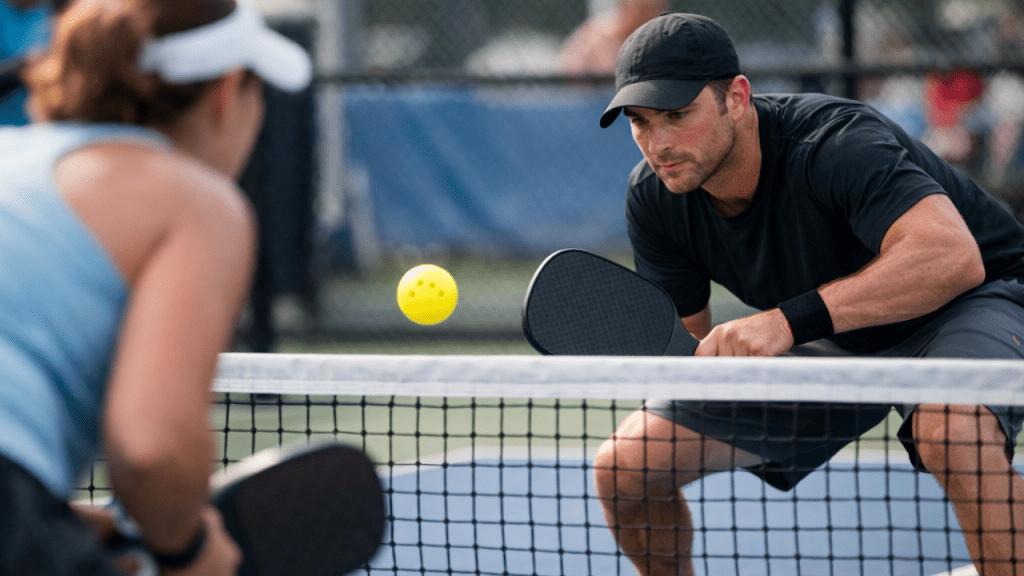
The dink may not look powerful, but it is one of the best pickleball shots for winning extended rallies.
Why it wins points:
- Forces opponents to hit up
- Creates pop-up opportunities
- Tests patience and footwork
- Sets up attackable balls
Data from competitive matches shows that rallies often shift after a weak dink response. Players who maintain low, controlled dinks eventually draw an error or earn a high ball to attack.
If you are asking how to win more pickleball points, developing a reliable soft pickleball game is essential.
3. The Speed-Up at the Right Moment
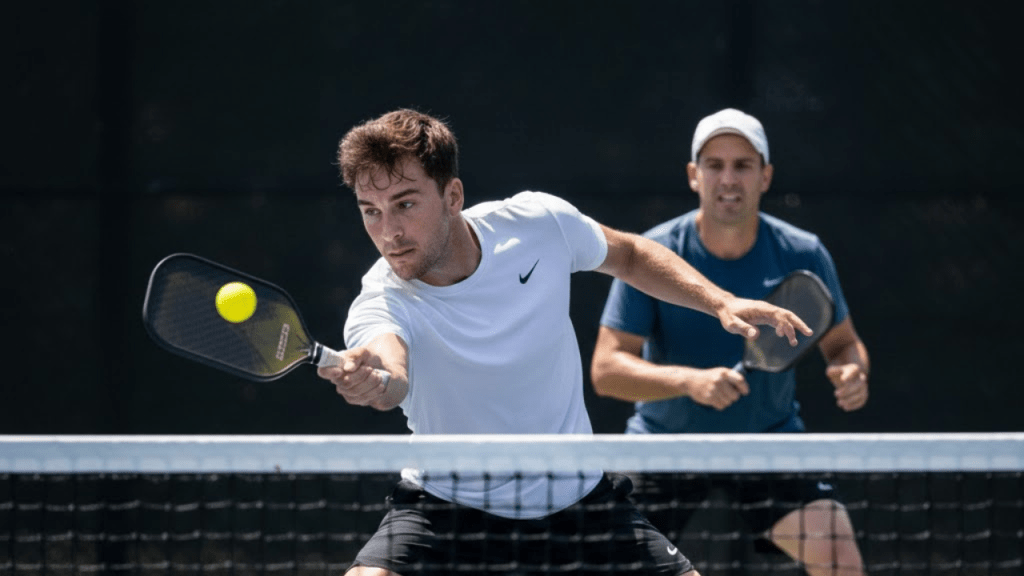
While soft play controls the rally, well-timed speed-ups generate direct points.
Why it wins points:
- Surprises opponents during dink exchanges
- Attacks weaker backhands
- Forces reaction errors
- Creates chaos in fast hand exchanges
The keyword is timing. Speeding up every ball leads to errors. However, speeding up when your opponent is off balance or leaning forward significantly increases your chances of winning points.
Winning pickleball strategies often involve patience followed by decisive acceleration.
4. The Controlled Drive
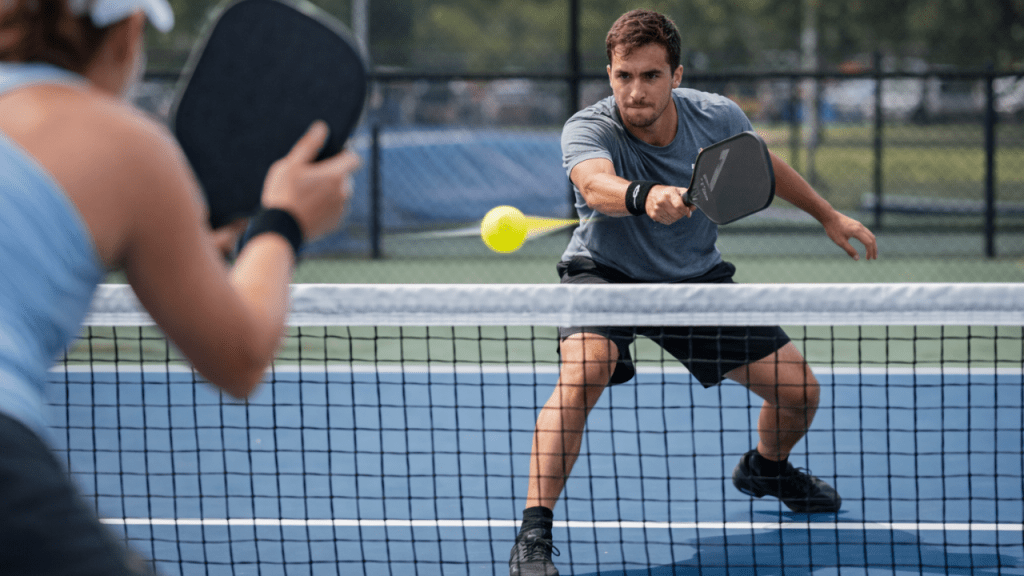
Many players assume the hardest drive wins the most points. The match data do not support that. However, a controlled drive with placement does win points.
Why it wins points:
- Pushes opponents off the line
- Forces defensive blocks
- Sets up easier fifth-shot opportunities
- Targets middle confusion in doubles
The most effective pickleball shots are not necessarily the fastest ones. Drives aimed at the opponent’s body or down the middle tend to generate weak replies. Shot selection matters more than raw power.If you find yourself overhitting or rushing drives under pressure, reviewing these common pickleball mistakes and fixes can help you refine control and improve decision-making during fast exchanges.
5. The Put-Away Volley
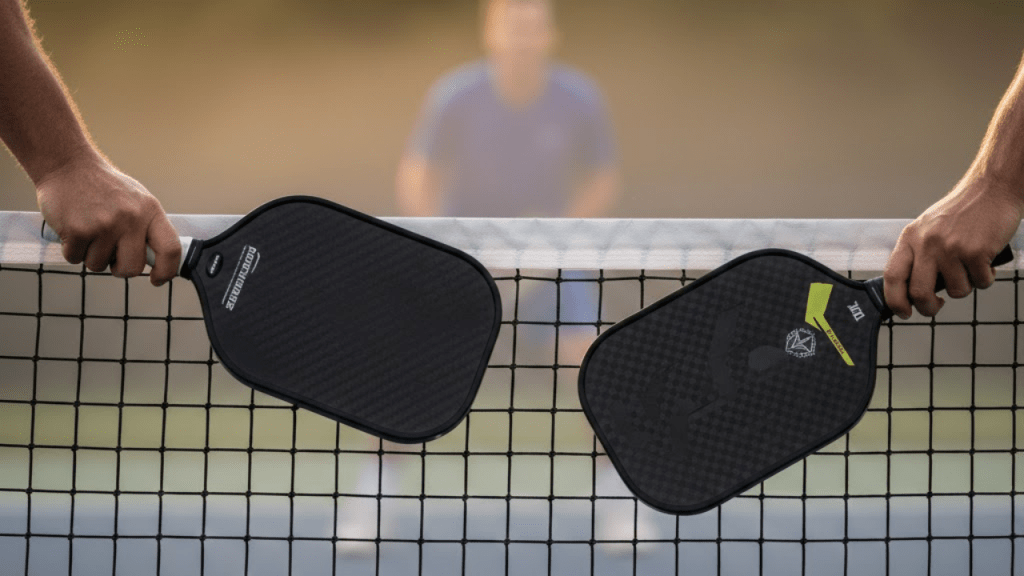
When analyzing what shots win the most points in pickleball, put-away volleys rank extremely high.
Why it wins points:
- Finishes rallies immediately
- Capitalizes on weak returns
- Rewards correct positioning
- Converts soft pressure into direct points
Most rallies are not won by spectacular winners. They are won by patiently building pressure until a high ball appears. The put-away volley simply completes the sequence.
This reinforces a key idea: most point-winning pickleball shots are connected to setup play.
Strong finishes begin with smart positioning. If you want to consistently create those attackable high balls, improving your kitchen positioning and movement is essential. This guide on pickleball kitchen line footwork and positioning breaks down how proper balance and spacing lead to more put-away opportunities.
What the Data Really Shows About Winning Pickleball
Across professional match reviews and competitive breakdowns, several patterns emerge:
- Soft control shots lead to more attackable balls
- High-percentage pickleball shots outperform low-percentage risks
- Most points are won through opponent errors, not outright winners
- Patience increases point-winning probability
The top shot in pickleball is rarely a single shot. It is a combination of disciplined positioning, intelligent shot selection, and timing.
How to Win More Pickleball Points (Practical Application)
If you want to improve your results immediately, focus on:
- Increasing third shot drop consistency
- Reducing unforced errors during dink rallies
- Choosing smart speed-up moments
- Targeting the middle in doubles
- Prioritizing placement over power
Improving pickleball shot selection often leads to more wins than improving swing speed.
The Bigger Strategy: Build, Don’t Rush
The most effective pickleball shots share one common trait: they are repeatable.
Players who win consistently:
- Avoid flashy, but low-percentage plays
- Control tempo
- Attack only when an advantage appears
- Use pressure to create mistakes
The data do not favor reckless aggression. It favors discipline.
Play Smarter. Play Sustainably.
At Evolute Pickleball, we support players who want to grow their game responsibly. From sustainable pickleball equipment to recycled pickleballs, our focus is on helping you perform at a high level while reducing environmental impact.
Winning more points is important. Playing with intention is even better.
Explore our eco-friendly pickleball collection and join the movement toward smarter performance and a greener future for the sport.