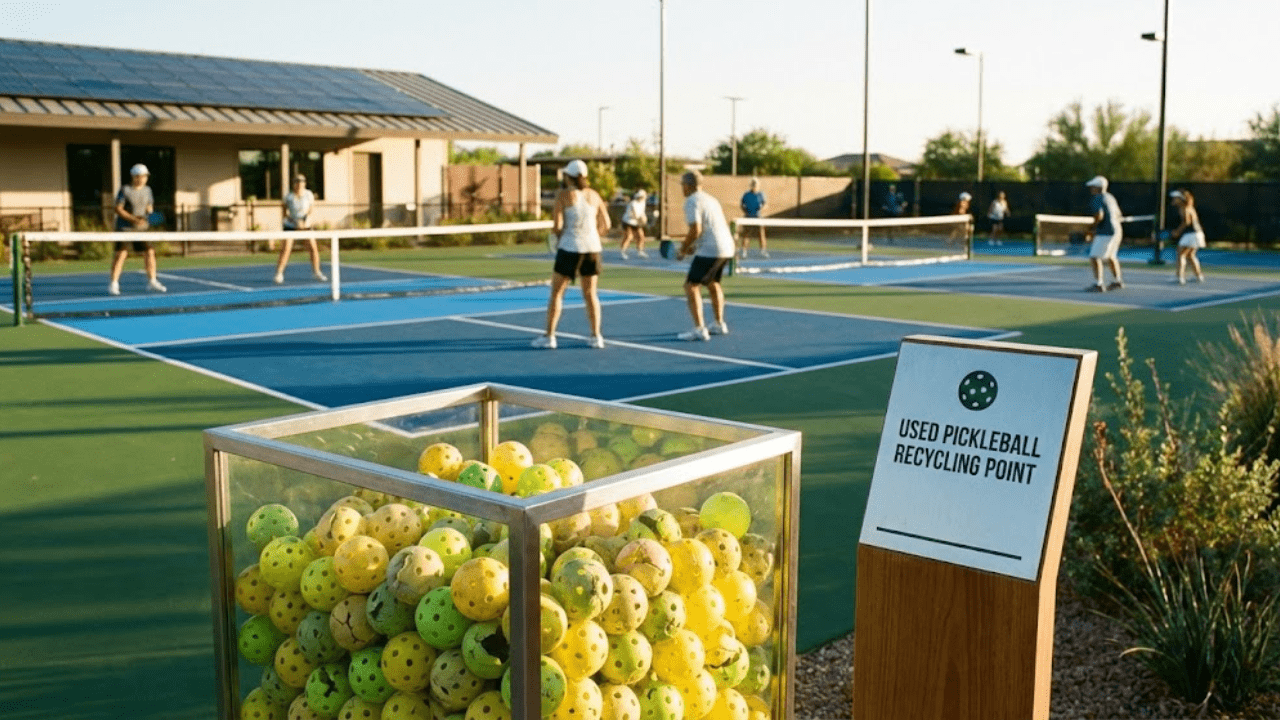
Pickleball continues to grow at an incredible pace, and with that growth comes an often overlooked issue: what happens to broken pickleballs? Cracked balls, soft spots, and out-of-round bounces are a normal part of play, but most players are unsure how to dispose of them responsibly.
If you’ve ever wondered whether pickleballs are recyclable or what to do with worn-out balls, this guide breaks it down clearly. Below, you’ll learn how to recycle pickleballs in 2026, what options actually exist, and how players can reduce waste while supporting the long-term health of the sport.
Are Pickleballs Recyclable?
Most pickleballs are not recyclable through standard curbside recycling programs.
Pickleballs are typically made from specialized plastic blends designed for durability, bounce consistency, and outdoor performance. Unfortunately, these materials are not compatible with municipal recycling systems. That means tossing pickleballs into your blue bin often leads to contamination rather than recycling.
However, pickleball recycling is still possible through reuse, repurposing, and specialty programs, which is where players can make a real difference.
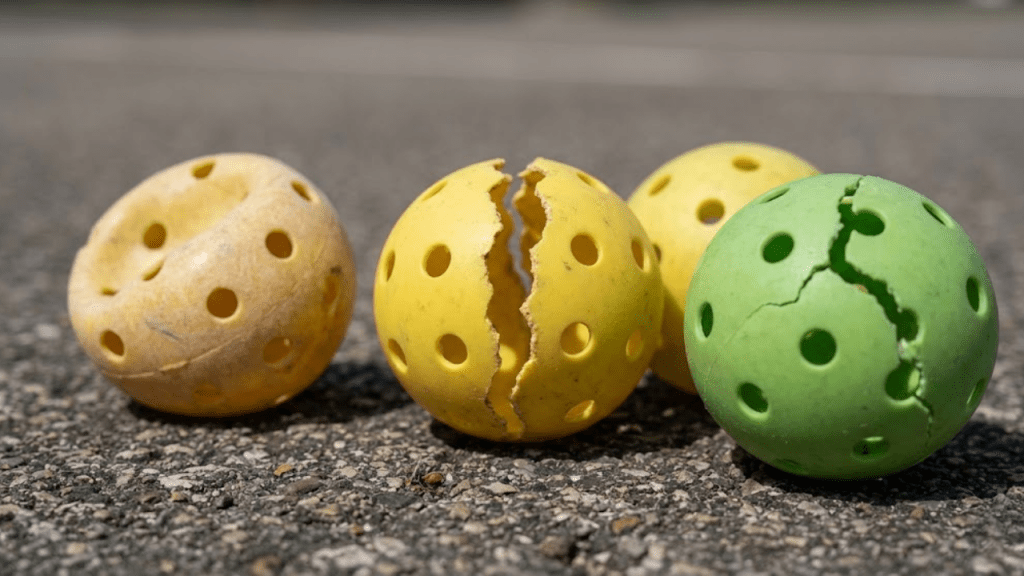
Why Pickleball Recycling Matters More Than Ever
As pickleball participation continues to grow across the U.S., ball consumption has increased dramatically. Recreational play, practice sessions, and tournaments all rely on balls that eventually crack or lose performance.
Many players discovering the sport through beginner guides like pickleball rules for beginners quickly realize how often balls need to be replaced. Without responsible disposal habits, thousands of pickleballs can end up in landfills every year.
Recycling and reusing pickleballs helps:
- Reduce plastic waste
- Extend the usable life of equipment
- Support a more sustainable pickleball community
How to Recycle Pickleballs: Step-by-Step
Step 1: Retire Balls From Match Play
Once a pickleball cracks, loses bounce, or becomes unpredictable, it should be retired from competitive play. However, that does not mean it needs to be thrown away immediately.
Step 2: Reuse Pickleballs for Practice
Many worn balls still perform well enough for drills, warm-ups, and training sessions. Players working on movement, consistency, or control often use older balls intentionally.
Using retired balls for practice, footwork drills, or repetition sessions extends their lifespan and reduces unnecessary waste. This approach pairs well with training routines focused on fundamentals like balance, positioning, and movement, as outlined in this guide on pickleball footwork fundamentals.
Step 3: Donate or Repurpose Pickleballs
Broken or worn pickleballs can still be useful beyond match play. Common reuse options include:
- Youth training programs
- School or community recreation drills
- Pet toys or household projects
- Artistic or craft reuse
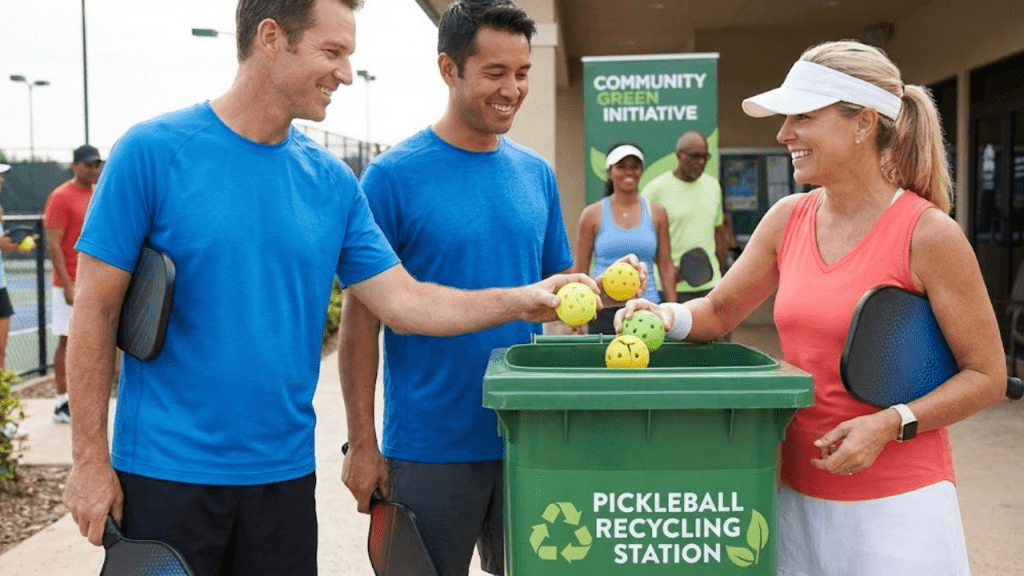
Some clubs and facilities collect used balls specifically for repurposing, helping keep them out of landfills.
Step 4: Participate in Pickleball Recycling Programs
While curbside recycling is not an option, some specialty initiatives accept pickleballs for recycling or repurposing. These programs may operate through clubs, events, or mail-in options.
As pickleball equipment evolves, sustainability-focused brands and communities are beginning to explore better long-term solutions for ball disposal.
To understand why these efforts matter and how recycling impacts the future of the sport, read this guide on importance of recycling pickleballs.
What to Do With Broken Pickleballs (Quick Answer)
Broken pickleballs should be reused for practice, donated for drills, repurposed for non-play uses, or collected through pickleball recycling initiatives. They should not be placed in standard recycling bins.
This simple decision tree helps players act responsibly without overcomplicating disposal.
Common Pickleball Recycling Mistakes to Avoid
Even well-intentioned players make mistakes when trying to recycle pickleballs. Avoid these common errors:
- Placing pickleballs in curbside recycling bins
- Throwing cracked balls away without attempting reuse
- Hoarding unusable balls without a plan
- Assuming all plastic sports equipment is recyclable
Understanding the material limitations helps prevent recycling contamination and wasted effort.
ow that you are avoiding recycling errors, make sure you aren’t making these Common Pickleball Mistakes and Fixes on the court.
How Players Can Reduce Pickleball Waste Long-Term
Recycling is only one part of the solution. Reducing waste starts with smarter habits:
- Use balls longer for practice instead of discarding them early
- Store balls properly to reduce cracking from temperature changes
- Rotate balls between match play and training use
- Support sustainability-focused pickleball initiatives
As the sport grows, responsible habits will play a key role in keeping pickleball accessible and environmentally conscious.
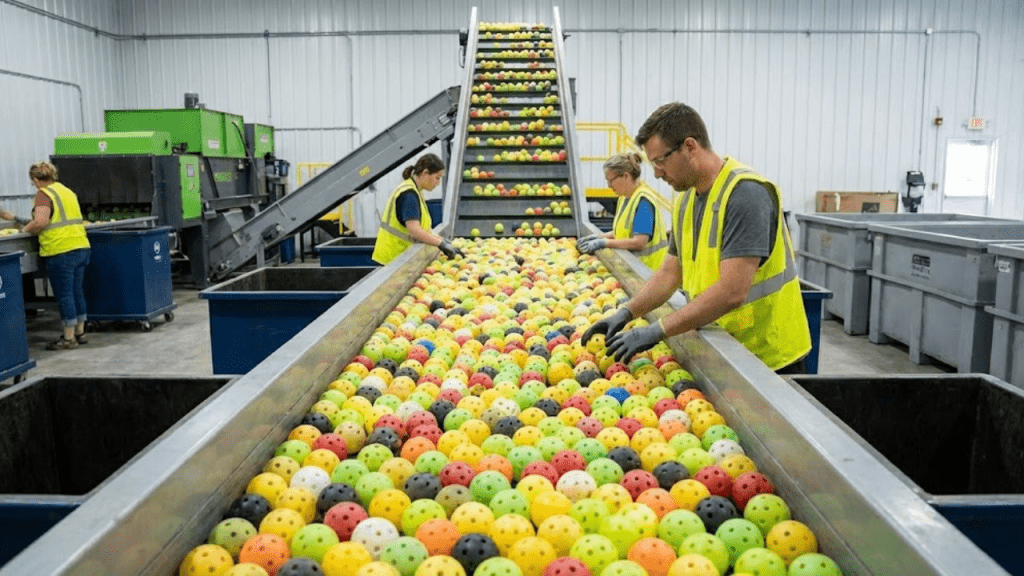
Sustainability and the Future of Pickleball
Pickleball’s growth shows no signs of slowing. As participation expands nationwide, sustainability will become an increasingly important part of the conversation.
Brands, clubs, and players all share responsibility in shaping how the sport evolves. Awareness around recycling, reuse, and smarter equipment use helps ensure pickleball grows without unnecessary environmental impact.
Play Smarter. Waste Less. Evolute Forward.
At Evolute Pickleball, sustainability is part of how we think about the future of the game. From encouraging responsible reuse to supporting smarter material choices, we believe pickleball can grow without unnecessary waste. That’s why we continue to expand initiatives like our recycle pickleballs collection, making it easier for players to take part in more responsible play and product choices by design.
Every recycled or reused pickleball is a small win for the sport and the planet. Choose better habits, support sustainable progress, and help move pickleball forward the right way.
Frequently Asked Questions (FAQs)
Q: Are pickleballs recyclable?
A: Pickleballs are not typically accepted in standard curbside recycling programs because of their small size, hollow design, and mixed plastic composition. However, they can be reused, repurposed, or recycled through specialized programs.
Q: Can I put pickleballs in plastic recycling bins?
A: Only if your local recycling facility explicitly states that it accepts rigid plastics and small plastic items. Many facilities do not. Always check first. When in doubt, leave pickleballs out of curbside bins to avoid contaminating the recycling stream.
Q: What plastic are pickleballs made from?
A: Most pickleballs are made from durable plastics such as polyethylene or polypropylene blends. These materials are designed for impact resistance, not easy recycling.
Q: How can I recycle pickleballs responsibly?
A: The best options include donation programs, reuse projects, specialty recycling initiatives, or brands that support recycled-content products. Some players also repurpose old pickleballs for training drills or non-sport uses.
Q: What are eco-friendly pickleballs made of?
A: Sustainable pickleballs may incorporate recycled plastic content or alternative materials designed to reduce reliance on virgin petrochemicals. Some manufacturers also focus on longer ball lifespan to reduce overall waste.
Q: What should I do with cracked or unusable pickleballs?
A: If the ball can no longer be used for play, consider donating it to schools, pet enrichment programs, or community reuse projects. If recycling is available locally or through a brand program, that is the next best option.
Q: Does recycling pickleballs really make a difference?
A: Yes. While a single ball seems small, millions of pickleballs are discarded each year. Reuse and recycling reduce landfill waste and help support more sustainable growth of the sport.
Q: Are there brands actively working on pickleball sustainability?
A: Yes. Some pickleball brands, including Evolute Pickleball, are investing in recycled materials, responsible manufacturing, and education around reuse to support a more sustainable future for the sport.